Qué Hacemos — Servicios de Control-Xi
Our industrial automation experts, together with other professional profiles, after attending to your request, will visit your facilities and interact with your operators and experts to provide you with our multidisciplinary approach, based on alliances and teamwork, enabling them to offer the following services:
- Diagnosis of facilities with automatic process control systems in industry and other sectors of the economy or services.
- Comprehensive maintenance management for facilities with automated systems, including support with Control-Xi's MantGest® software and the option of predictive maintenance solutions using Artificial Intelligence (AI).
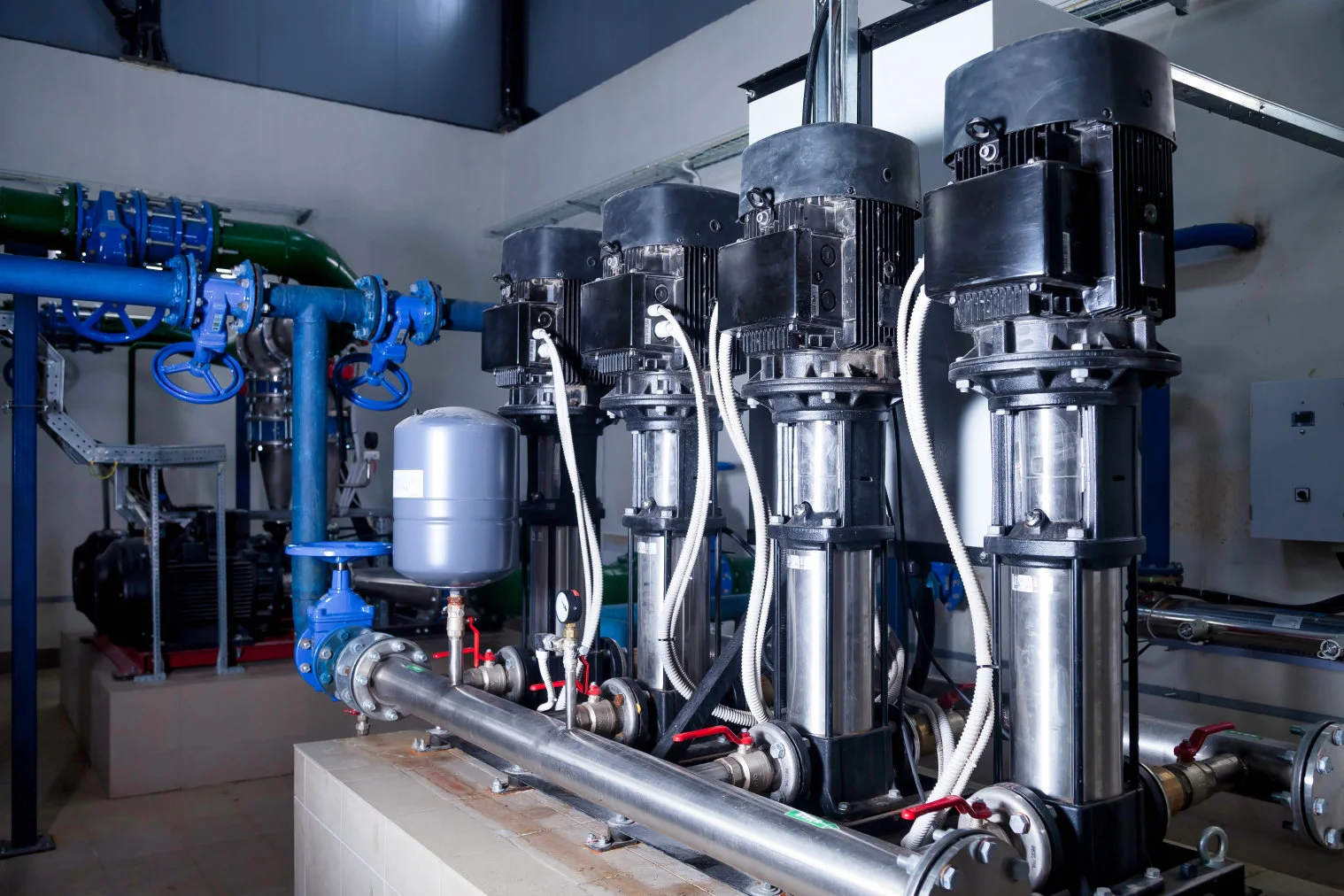
- Design, modernization, installation, configuration, adjustment and start-up of automatic control systems.
- Manufacture of electrical panels for automatic process control.
- PLC programming (programmable logic controllers).
- Development of human-machine interfaces (HMI).
- Development of SCADA applications (Supervisory Control and Data Acquisition) and integration into automated systems.
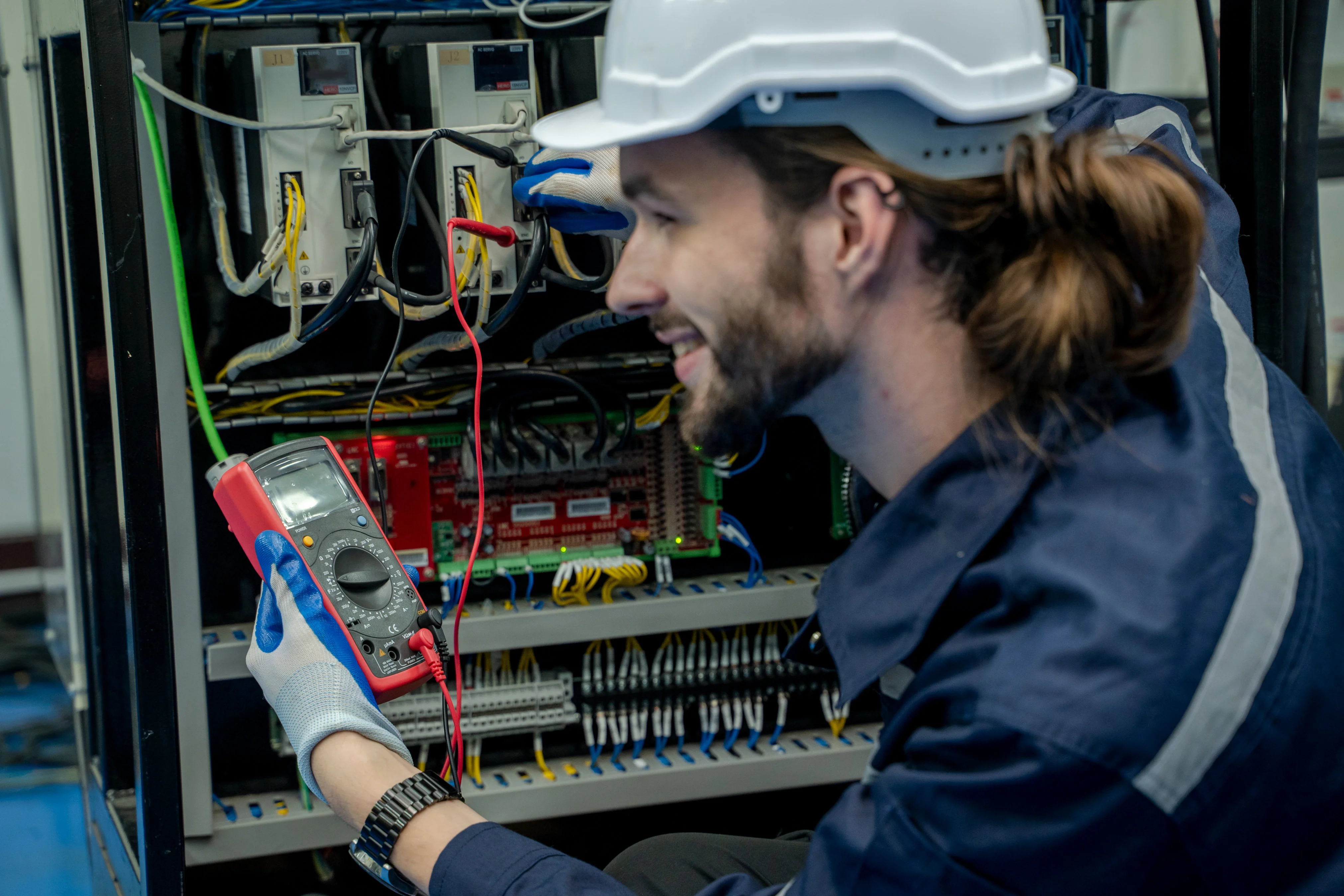
- Installation, diagnosis, maintenance, verification and adjustment of measuring instruments and actuators.
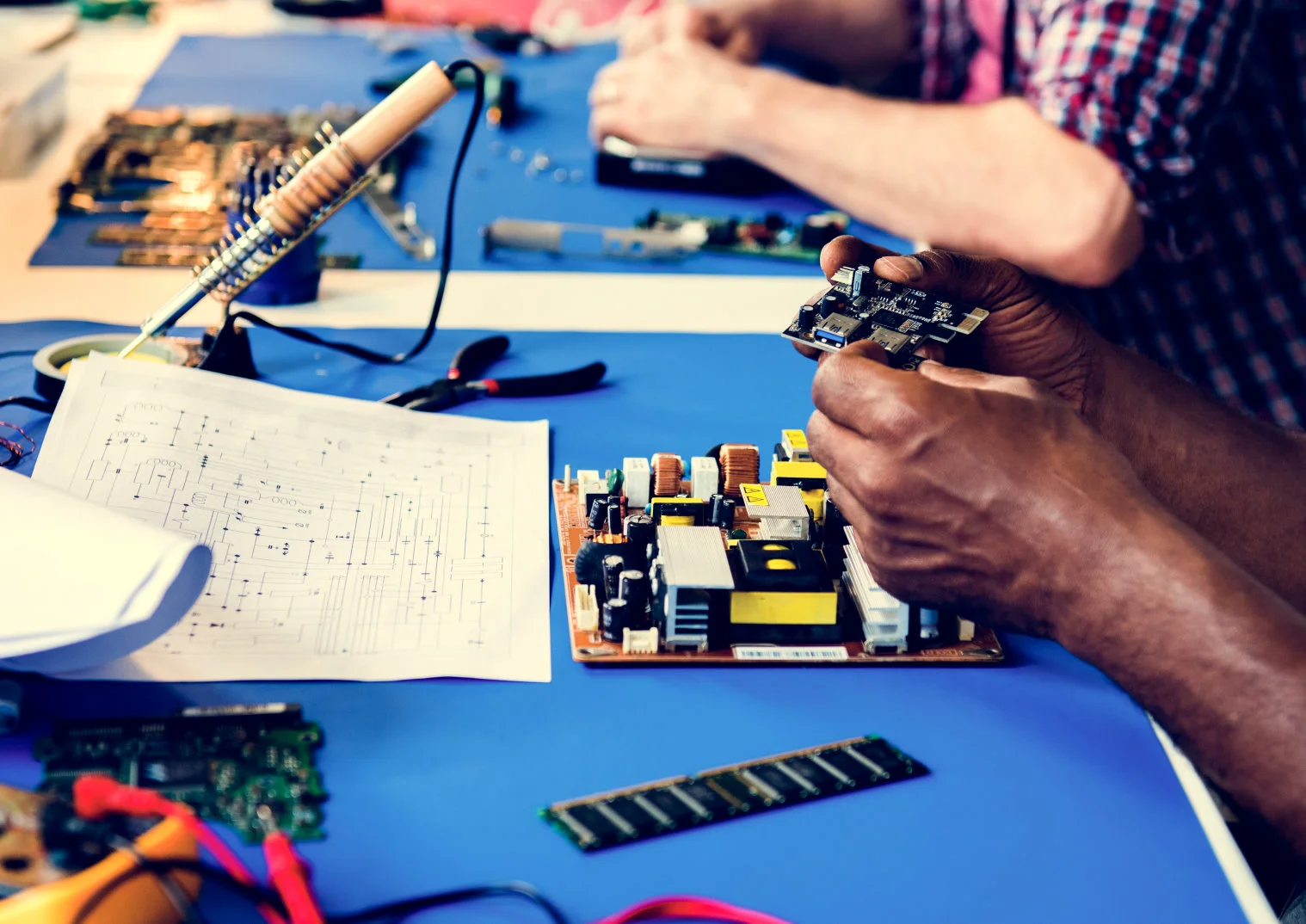
- Diagnosis, repair, configuration, testing and adjustment of electronic boards and equipment.
- Training for personnel operating automatic control systems.
- Results reports and documentation updates.
- Warranty and after-sales services.
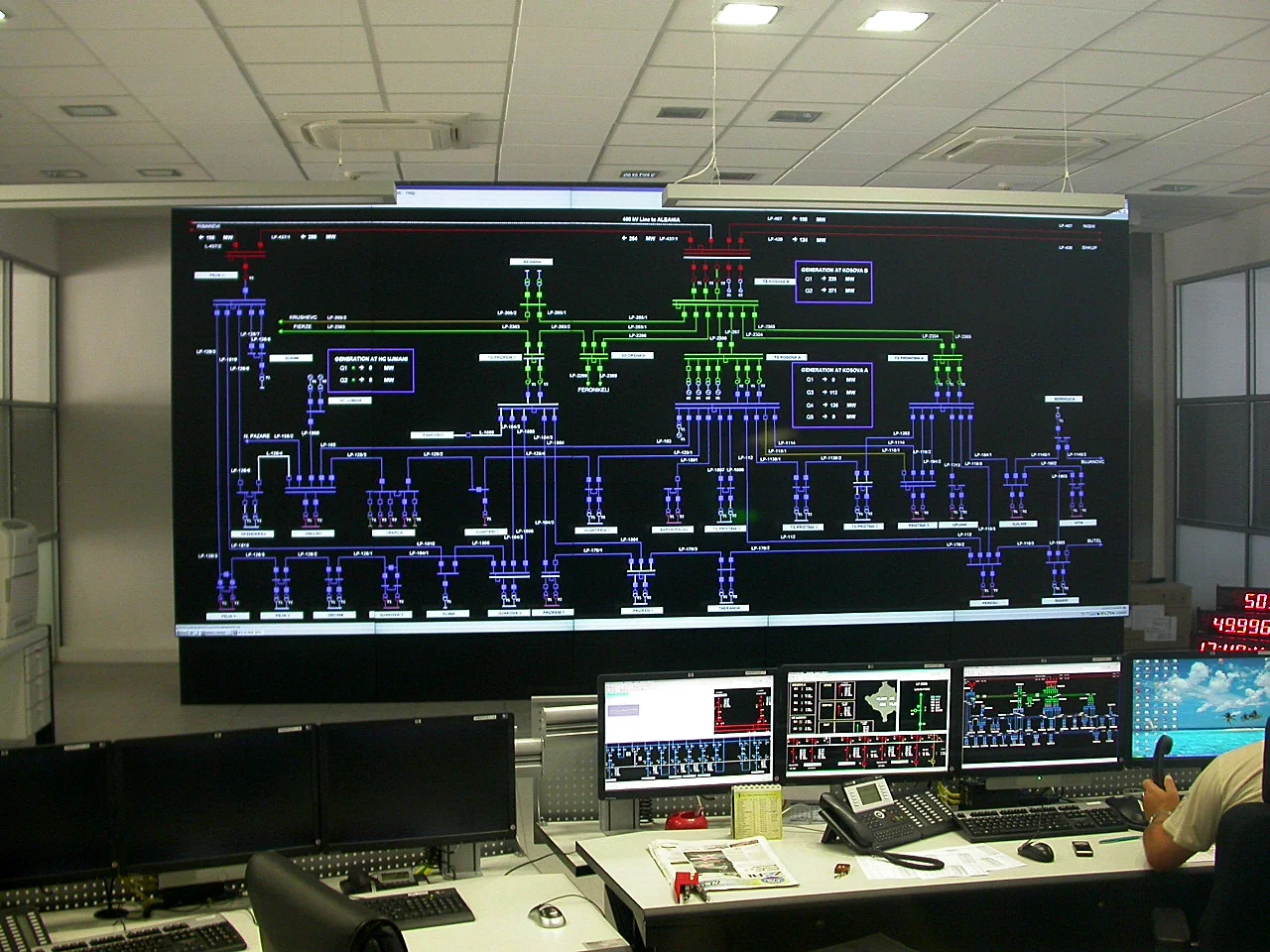
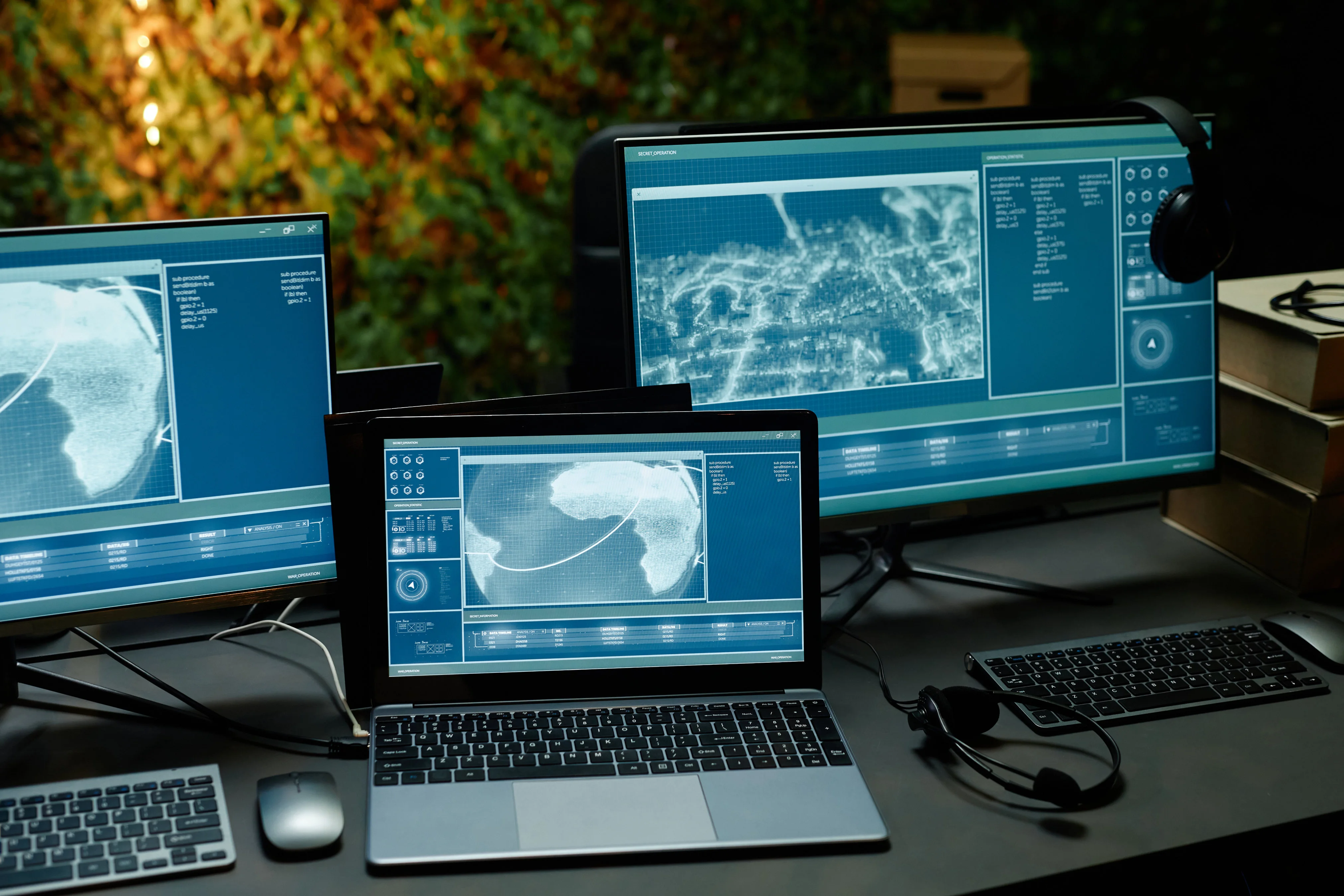
We design and implement SCADA Systems; a SCADA System (Supervisory Control and Data Acquisition) is a software and hardware solution designed to supervise, control and automate industrial processes. Basically, it is a set of computer applications that run on a central computer (Master or MTU) connected to field devices, such as programmable logic controllers (PLC) and remote terminal units (RTU).
These applications enable automated and remote control, which makes SCADA systems an essential component for modern industries.
Among its main uses are:
- Supervise processes in real time: They allow monitoring of operations locally or remotely.
- Control devices: Sensors, valves and motors can be managed automatically.
- Manage data: They collect and process information to generate reports and statistics.
- Detect faults: They issue alerts when problems arise, enabling a quick response.